
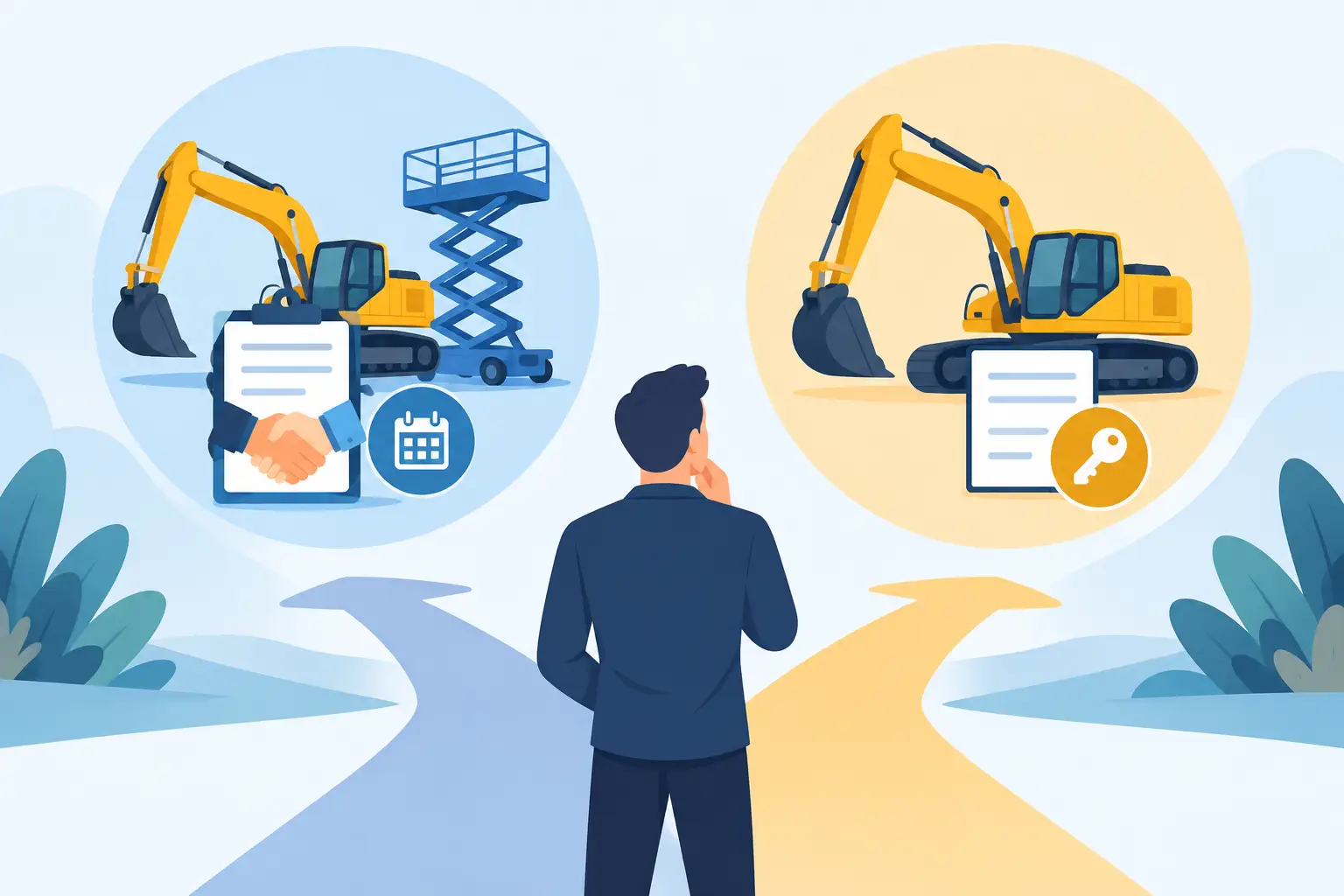
A new excavator, commercial printer, medical unit or manufacturing line can create revenue quickly, but the way you fund it can shape your cash flow for years. Equipment leasing versus hire purchase is not simply a question of which repayment looks lower each month. It is a decision about ownership, working capital, tax timing, asset life and how much flexibility your business needs if trading conditions change.
For Australian operators, the right structure often comes down to one practical question: do you need to own this asset at the end of the term, or do you need to preserve capital while using it?
Equipment leasing versus hire purchase: the core difference
With hire purchase, a financier buys the equipment and you make agreed instalments over a fixed term. You have use of the asset from the outset and, once the final payment and any balloon amount are paid, ownership transfers to your business. The asset is generally security for the finance, and the financier may register its interest on the Personal Property Securities Register.
Equipment leasing works differently. The financier retains ownership of the asset and leases it to your business for a set period. You pay regular rentals for the right to use it. At the end of the lease, your options depend on the agreement and can include returning the equipment, extending the arrangement, upgrading to replacement equipment or purchasing it under an agreed process.
Both structures can fund a wide range of business assets, from plant and machinery to vehicles, medical equipment, technology and specialised fit-outs. The better option depends on the asset and your commercial plan, not on a one-size-fits-all rule.
When hire purchase can make commercial sense
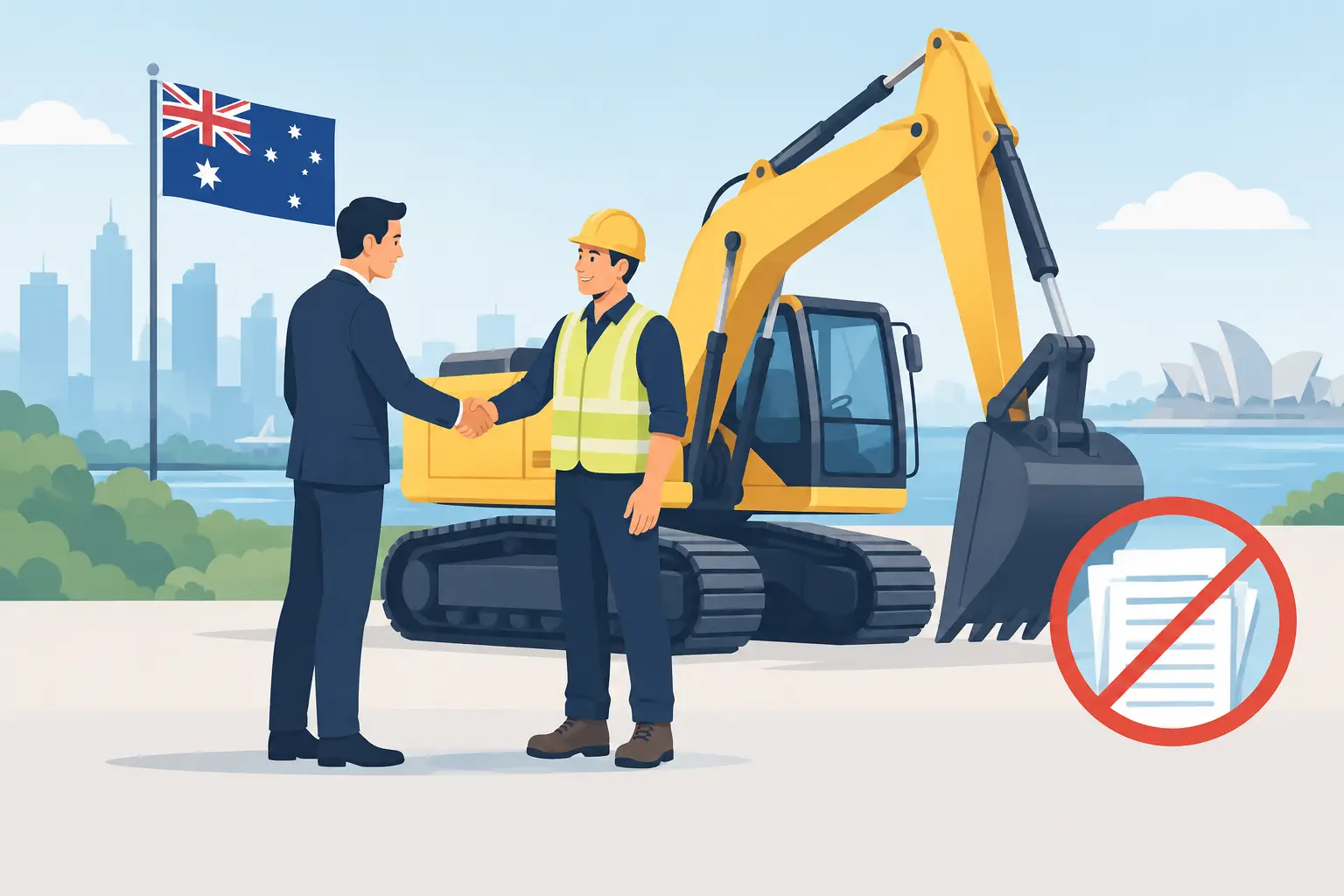
Hire purchase is usually suited to businesses that expect to keep an asset for most or all of its useful life. Think of a landscaping contractor buying a compact excavator, a regional transport business adding a prime mover, or a manufacturer funding machinery that will remain central to production for many years.
The major benefit is a clear path to ownership. Once the finance is repaid, the business owns an asset that may still have resale value and can continue producing income without monthly finance repayments. This can make hire purchase attractive where equipment is durable, well maintained and not likely to become obsolete quickly.
A deposit can reduce the amount funded, while a balloon payment can lower regular instalments by deferring part of the principal to the end of the term. That can assist cash flow in the short term, but it should be sized carefully. A large balloon may look attractive in a repayment comparison, yet it creates a known liability that must be paid, refinanced or covered by sale proceeds at term end.
Hire purchase can also suit businesses that want the certainty of controlling the asset. You can generally modify, retain and ultimately sell the equipment, subject to the finance terms while the debt remains outstanding. For operators with a long-term equipment strategy, that control has real value.
There are trade-offs. You carry the risk of the equipment losing value faster than expected, and you may be committed to an asset that no longer matches your workload. If the business needs to upgrade regularly or the equipment’s technology moves fast, ownership may become less attractive.
When equipment leasing may be the better fit
Leasing can be a strong option where access, flexibility and capital preservation matter more than eventual ownership. A business investing in IT hardware, diagnostic equipment, office technology or specialised machinery with a shorter commercial life may prefer to pay for use rather than tie up capital in an asset it expects to replace within a few years.
Regular lease rentals can be easier to align with recurring revenue. Rather than paying a substantial amount upfront, the business spreads the cost over the period it derives value from the equipment. This may leave cash available for stock, wages, marketing, site works or a deposit on another revenue-producing asset.
Leasing can also support planned upgrades. For example, a business using equipment that becomes outdated quickly may avoid being left with an ageing asset that has limited resale demand. The end-of-term provisions are critical here. Before signing, be clear on return conditions, excess-use provisions where relevant, maintenance obligations, insurance requirements and the choices available once the lease ends.
The key limitation is equally clear: lease payments do not automatically mean you will own the equipment. If ownership is a non-negotiable part of your plan, hire purchase may provide a more direct outcome.
Cash flow matters more than the headline rate
Business owners often start by comparing the interest rate or monthly repayment. Those figures matter, but they do not tell the full story. A finance structure should be assessed against the equipment’s earning capacity and the pressure it places on working capital.
A café replacing essential refrigeration may need the lowest possible upfront commitment because cash is needed for staff and inventory. A civil contractor with a secured pipeline of work may be comfortable making a deposit on plant it intends to own and deploy for a decade. A developer or construction business may need equipment for a defined project window and prefer not to hold it once the job is complete.
Consider the complete commitment: upfront contribution, regular payments, insurance, maintenance, any balloon or residual exposure, and what happens if the asset is sold, returned or replaced early. Ask whether repayments remain manageable during a quieter trading period, not only when revenue is at its peak.
Tax and GST should be checked before you decide
Tax treatment can influence the decision, but it should not be the only driver. Depending on the structure, the asset, your accounting method and your eligibility, GST and deductions may arise at different times under a lease compared with hire purchase.
With hire purchase, a business may be able to claim GST on the purchase price upfront if it is registered and eligible, while deductions can relate to interest and depreciation. Under a lease, GST is commonly claimed progressively on lease rentals, and lease payments may generally be deductible where they relate to business use. The details can vary, particularly where private use, motor vehicles, trusts or complex ownership structures are involved.
Accounting treatment has also changed the way many leases are recognised in financial statements. Do not assume that a lease will sit entirely outside your balance sheet or that it will improve every borrowing metric. Your accountant can assess the tax and reporting position, while your finance adviser can focus on structure, repayments and lender terms.
How lenders assess an equipment finance application
Asset finance is often more practical than an unsecured business loan because the equipment itself provides tangible security. Even so, lenders will look beyond the asset. They may consider its age, condition, supplier, resale value and whether it is specialised or readily saleable. New equipment purchased through an established dealer is often simpler to fund than older, highly specialised machinery purchased privately.
They will also assess the borrowing entity, trading history, bank statements, existing liabilities and capacity to service the repayments. Some lenders take a more flexible view where a business has experienced credit issues, a short trading history or uneven cash flow, particularly when there is strong security or property equity available. That does not remove the need for a viable exit and sensible repayment plan.
For larger transactions, the finance structure may combine asset funding with working capital or property-backed business finance. This can be relevant where an operator is acquiring equipment as part of a broader expansion, purchasing a business, completing development works or needing to protect cash reserves through a time-sensitive project.
Questions to settle before signing
Start with the asset’s expected useful life. If you expect to retain it well beyond the finance term, hire purchase deserves close consideration. If it will be replaced frequently, a lease may better reflect its real economic life.
Next, test the end-of-term position. Can you comfortably meet the balloon payment? If leasing, what will returning the equipment involve and is there a realistic upgrade or purchase pathway? Finally, check whether the structure leaves enough capital for the rest of the business to operate properly.
No Doc Loans can help business owners compare equipment finance structures through its lender panel, including options where mainstream bank policy or turnaround times do not suit the transaction. The best outcome is not merely an approval. It is finance that allows the asset to earn its keep without putting unnecessary strain on the business behind it.





Leave A Comment