
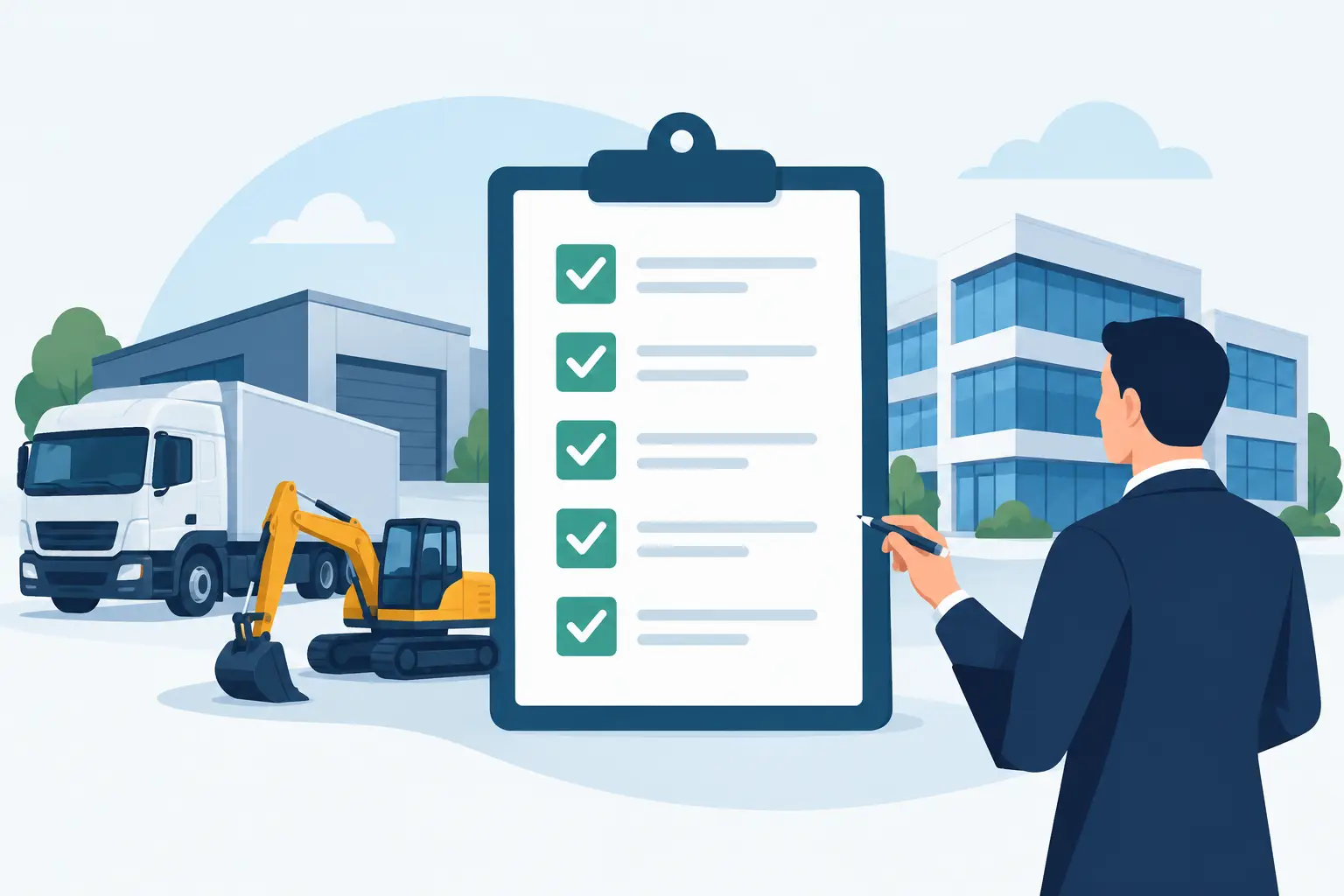
A new excavator, delivery van or production line can generate revenue from day one, but the wrong funding structure can drain cash long after the asset has stopped earning its keep. A commercial asset finance review is where you test the proposal against the asset’s working life, your business cash flow and the security you are prepared to provide – not simply the advertised rate.
For Australian operators, asset finance can be a practical way to preserve working capital while acquiring the equipment needed to take on larger contracts, replace ageing plant or keep stock moving. The best facility is rarely the one with the lowest headline repayment. It is the one that fits the transaction, settles when required and leaves the business room to operate.
Start with the asset and its commercial purpose
Lenders first want to understand what is being purchased, how readily it can be sold if necessary and how it will produce income. A near-new prime mover, recognised-brand earthmoving machine or established medical device will generally attract a different credit appetite to specialised equipment, older plant or an asset with a limited resale market.
Be clear on whether the asset is essential to a signed contract, replacing equipment that is costing money in downtime, or supporting an expansion plan. This context matters, particularly where the business has a short trading history, uneven turnover or prior credit issues. A lender may be more comfortable where the asset has a defined revenue role and the repayment is supported by credible cash flow.
The purchase details should also be settled early. Check the supplier invoice, GST treatment, delivery timeframe, serial numbers where available, registration details for vehicles and whether a deposit is required before settlement. Delays often arise because the borrower has obtained finance approval for a different asset, supplier or purchase price than the final transaction.
Commercial asset finance review: compare the full structure
A useful review looks beyond the repayment amount. Ask what type of facility is being offered and what happens at the end of the term. Chattel mortgages, finance leases, operating leases and hire purchase arrangements can each suit different ownership, tax and cash flow objectives. Your accountant should confirm the tax treatment for your company, trust or sole trader structure.
A chattel mortgage is commonly used where the business wants to own the asset from the outset, with the lender taking a security interest over it. A lease may suit businesses seeking a different ownership pathway or where equipment is regularly replaced. There is no universal winner. The right option depends on the asset, how long you expect to retain it and the advice you receive on accounting and taxation.
Look at the following terms together rather than in isolation:
- the amount financed, including whether GST, accessories, freight, insurance or supplier charges are included;
- the loan term and whether it matches the asset’s useful commercial life;
- the interest rate, comparison rate where applicable, and every establishment, documentation and monthly fee;
- any balloon or residual amount payable at the end; and
- the security package, including guarantees, property security or a general security agreement.
A low monthly repayment can look attractive because the facility has a large balloon. That may be sensible for an asset with strong resale value and a clear replacement plan. It can be a problem if the business will need to find a substantial lump sum at the end of the term, refinance an ageing asset or sell it in a weaker market.
Test repayments against real operating cash flow
Asset finance should support growth, not create a repayment that only works in your best month. Review the proposed repayment against average and conservative turnover, existing debt commitments, wages, BAS, rent, supplier accounts and seasonal fluctuations.
A civil contractor, for example, may be busy during a major project but wait 30, 60 or 90 days for progress claims to be paid. A transport business may carry fuel, maintenance and labour costs before invoices are collected. In those cases, payment frequency and the first repayment date can matter as much as the interest rate. Monthly repayments may suit one business, while another needs a structure that better reflects its collection cycle.
Also allow for the costs of putting the asset on the road or into service. Registration, insurance, compliance work, attachments, operator training and maintenance can be material. If every available dollar is used for the deposit, the asset may arrive while the business is short of the working capital needed to deploy it properly.
Check what security is actually required
Many asset finance facilities are secured primarily by the asset being funded. However, the strength of the asset, the age of the business, the loan amount and the borrower’s credit profile can influence whether a lender also asks for director guarantees, property-backed security or other support.
This is particularly relevant for specialised equipment, start-up businesses, older assets, purchases from private sellers and transactions where the asset value does not fully support the requested loan. A director guarantee creates personal exposure. Property security may provide greater flexibility or allow a larger facility, but it also puts real estate equity into the security position.
Read the approval conditions carefully. Confirm whether the lender requires comprehensive insurance, who must be noted as an interested party, whether there are restrictions on selling or relocating the asset, and what default charges may apply. If business property is also being offered as security, understand whether the finance is a first mortgage, second mortgage, caveat-backed facility or another structure, and how it interacts with existing debt.
Know when a bank-style application may not fit
Mainstream lenders can be a strong option for established businesses buying standard assets with clean financials and time to complete a detailed application. But a bank process can be less suitable when settlement is urgent, financial statements are not current, the business has had a past credit event or the purchase sits outside standard policy.
Private and non-bank lenders may assess the overall deal differently. They can place more weight on tangible security, property equity, the commercial rationale for the purchase and a realistic exit strategy. That does not mean requirements disappear. Pricing may be higher, terms may be shorter and security may be more extensive. The value is in having a workable pathway when a rigid credit model does not reflect the actual strength of the transaction.
For example, a developer may need machinery to complete head works before a project milestone, while retained stock or available property equity supports the broader funding position. A business owner may need to replace a revenue-producing ute quickly after a breakdown despite a historical default that a major bank will not overlook. These are situations where the structure and lender selection deserve close attention.
Prepare the information that helps lenders move quickly
Speed improves when the funding submission is clear from the start. Have the supplier quote or invoice, asset details, business ABN and entity information ready. Lenders may also request bank statements, financials, BAS, identification, details of existing finance and evidence of the asset’s income-producing purpose.
If the transaction relies on property security, provide the property address, current loan balances and any valuation information available. Where credit issues exist, explain them directly and show what has changed. A resolved ATO arrangement, completed project, improved trading position or refinance plan gives a lender more to assess than an unexplained adverse listing.
A broker with access to a broad lending panel can compare structures rather than forcing every borrower into one product. No Doc Loans can assess the asset purchase alongside business cash flow and available property security, then seek terms from lenders suited to the transaction.
Make the decision before the supplier deadline
Do not wait until a deposit is non-refundable to examine the finance documents. Confirm the total amount payable, settlement timing, security obligations and what happens if delivery is delayed or the asset does not meet specifications. If a balloon is included, decide now how it will be managed later.
The right commercial asset finance facility gives the business productive equipment without creating an avoidable funding squeeze. Get the numbers, security and exit plan clear before signing, and the asset is far more likely to do the job it was bought for.











Leave A Comment